
Worried your furnace might not make it through the first cold snap? Run your system for 15 to 20 minutes on a mild day before Sacramento nights drop into the 30s. We call this a first-fire test, and it tells you whether your heating system is ready for the winter months ahead or needs a tune-up first.
At Huft Home Services, we’ve kept Sacramento-area furnaces running since 2004. We provide preventative tune-ups that catch problems while they’re still quick, affordable fixes, so you’re not making a no-heat call in the middle of January. Learn the top signs your furnace needs service before the first cold snap, and how to do a first-fire test yourself.
How To Do a First-Fire Test
A first-fire test only takes about 20 minutes and tells you whether your furnace is ready for the cold. Here’s how to run it:
-
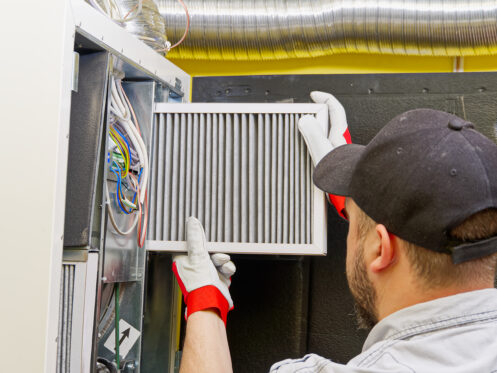
Step one: Check your filter and replace it if it looks gray or dusty. Long Sacramento summers and wildfire smoke can clog filters and make your furnace overheat.
-
Step two: Switch the thermostat from “COOL” to “HEAT” and set it five degrees above the current room temperature. If the screen looks dim or blank, change the batteries first.
-
Step three: Listen for the startup. You should hear a click, a small fan, and the burners lighting when your furnace fires up. Note any bangs, squeals, or grinding that don’t fade once the blower turns on.
-
Step four: Smell the air. A light, dusty smell is normal when you turn on your furnace for the first time each season. Watch for a lingering smell of hot plastic or wiring.
-
Step five: Walk through your house and hold your hand up to each vent. Every register should blow steady, warm air and should be clear of rugs or furniture.
-
Step six: Watch it cycle off. When your house reaches the set temperature, the burners should shut off. The blower runs a little longer to push out leftover heat, then stops.
If you have a high-efficiency furnace, also check the two white PVC pipes that run on the side of your house. During early fall, loose leaves can pile up against them, block airflow, and keep your furnace from starting.
What’s Normal the First Time You Turn It On
Notice a dusty, burning smell the first time you turn on your furnace? It’s usually nothing to worry about. Dust settles on the burners and heat exchanger over the summer and burns off the first time the furnace heats up. The smell should be gone within 30 minutes.
A short delay before warm air starts flowing is also expected. Modern furnaces go through a startup sequence that keeps cold air from blowing through the house. A small fan clears the vent, the ignitor lights the burners, and the heat exchanger warms up before the blower turns on. A minute or two of waiting is normal, and only worth a call if nothing warm comes out after a few minutes.
9 Warning Signs to Watch For
If any of the below warning signs come up during your first-fire test, book a tune-up before the cold arrives. A few are safety issues, and others can turn into costly repairs if you wait.
1. Burning or electrical smell lasting over 30 minutes
Dusty smells burn off quickly, so you shouldn’t notice them for long. If a burning or electrical smell sticks around after half an hour, you may have an overheating motor or a failing electrical part that needs repair. Turn the furnace off at the thermostat and give us a call.
2. Yellow or flickering flame
A healthy gas flame is steady and blue. If you see a yellow furnace flame, dirty burners are likely keeping the gas from burning cleanly. Incomplete combustion can lead to a carbon monoxide leak, so call us before running the furnace again.
3. Banging at startup
A loud bang or boom when the furnace lights often means gas buildup in the burner area before it ignites. Dirty burners or a weak igniter are the most common causes, and they stress the heat exchanger every time it happens. Have it inspected before you’re financing a brand-new furnace.
4. Squealing, grinding, or rattling
Your furnace making a loud noise can point to a problem with a specific part. Squealing usually comes from a worn belt or blower motor bearing, while rattling can be a simple loose screw. Grinding is the most serious and often comes from metal rubbing on metal in the motor. If you hear grinding, shut off the furnace and schedule service to minimize damage.
5. Short cycling
If your furnace starts up, runs for a few minutes, and shuts off before the house warms up, it’s short cycling. A dirty flame sensor, clogged filter, or closed vents are usually to blame, and cleaning the flame sensor is a quick part of every tune-up.
6. Cold air or weak airflow
The air coming from your vents should warm up after a minute or two. If the air is still cold after that, the burners may not be lighting or staying lit. The problem typically stems from the blower, a loose duct, or an old filter that needs replacing.
7. Ignition that takes several tries
Furnaces that click, run the fan, then go quiet before starting again usually have an ignition problem. Most try to light a few times, then lock out to prevent unburned gas from building up. A worn ignitor or dirty flame is often the cause, and both are easy to replace.
8. CO alarm, headaches, or soot
If you notice any signs of a carbon monoxide leak, including your alarm sounding, headaches, or soot on or around the furnace, get everyone outside and call 911. If you smell gas, leave the house and call PG&E once you’re outside.
9. Furnace over 15 years old with rising gas bills
Most gas furnaces start losing efficiency after 15 years. If your system is past that mark and your PG&E bills are higher than last winter, it’s likely burning more gas to keep up. A tune-up can show you whether your furnace has a few heating seasons left, or if replacing it makes more sense.
Why Service Now Instead of in January
Booking your furnace tune-up before the cold arrives saves you a long wait. When the first cold snap hits the Sacramento area in mid to late November, every HVAC company in the valley gets a flood of no-heat calls at once. Everyone wants their heat back on before family arrives for Thanksgiving, and appointments fill up fast.
A tune-up now lets a technician catch small problems, like a dirty flame sensor or worn igniter, before they become serious. You won’t have to pay for an emergency call in the middle of the night, and you’ll go into the holidays knowing your heat works. If you’ve let your tune-up slip past fall, a mid-winter check can still catch problems before they leave you without heat.
What a Huft Furnace Tune-Up Includes
A Huft furnace tune-up covers your furnace’s safety and performance from top to bottom. Our NATE-certified technicians work on any make or model, and every job includes:
-
Heat exchanger inspection: We look for cracks and corrosion that could let carbon monoxide into your home.
-
Flame sensor cleaning: A clean flame sensor keeps your furnace lit instead of shutting it down mid-cycle.
-
Ignition check: We test the ignitor for wear so it doesn’t fail on the first cold night.
-
Gas pressure check: Our technicians check and adjust the pressure so the burners run clean and efficiently.
-
Carbon monoxide test: We test for CO around the furnace and flue.
-
Blower service: Our pros check and clean the motor and blower wheel for strong, quiet airflow.
-
Filter check: We’ll replace the filter if needed and recommend the right one for your home.
-
Thermostat calibration: We make sure the temperature you set is the temperature your home reaches.
If we discover you need a furnace repair, we’ll give you the price upfront before any work starts. Our work is backed by eight written guarantees, and every technician follows the Huft Creed of always doing the right thing for your home.
If you’d rather not have to remember a tune-up every fall, the Huft Protection Plan handles it for you. Members get an annual furnace and AC tune-up, plus special offers that help you save on heating services.
Book Your Furnace Tune-Up
Huft Home Services can help you prepare your furnace for the cold months ahead. Skip the stress of a mid-winter breakdown and contact us today to schedule a furnace tune-up in Sacramento with our team.
Frequently Asked Questions
How often should a furnace be serviced?
Scheduling a furnace tune-up once a year is enough for most homes. Our Protection Plan members get their annual visit included with the plan, so you don’t have to remember to book every heating season.
How long does a furnace tune-up take?
Most tune-ups take around an hour. The visit can run longer if our technicians find a part that needs repair or your system hasn’t been serviced in a few years.
Why is my furnace making a banging noise when it starts?
A loud bang when your furnace starts is a sign of delayed ignition. If you hear a bang, have it checked before it damages the heat exchanger and turns into a much bigger repair.